
Stories and ideas that help us understand recovery better.
Explore awareness articles, recovery-focused education, programme highlights, community stories and practical information for individuals and families.
Understand.
Support.
Understanding recovery beyond stopping substance use.
Recovery is often described as a process rather than a single moment. It can involve changes in routine, behaviour, relationships, responsibilities and the way an individual responds to difficult situations.
Recovery is not only about what a person stops doing.
It can also be about what begins to return: structure, communication, healthier routines, responsibility, connection and hope for everyday life.
Substance dependence can affect many areas of a person’s life. For that reason, meaningful recovery support may involve more than simply removing access to alcohol or other substances.
A structured recovery environment can create space for reflection, routine and guidance. Counselling and supportive discussion may help an individual recognise difficult patterns and begin thinking differently about situations that previously led to harmful behaviour.
Recovery can become stronger when healthier choices are supported by healthier routines.
Activities, social participation and constructive use of time can also become important. The aim is not simply to stay away from something harmful, but gradually to build a life in which healthier alternatives have a meaningful place.
Creating greater structure in everyday life.
Recognising behaviours, challenges and triggers.
Building constructive ways to spend time and connect.
Carrying recovery-focused choices into everyday life.
Information that can start better conversations.
Simple, accessible information about addiction, recovery, families and prevention.
What can a family do when they are worried about someone’s substance use?
Families often notice changes before they know exactly what those changes mean. Communication, boundaries and seeking guidance can become important first steps.
Read Article →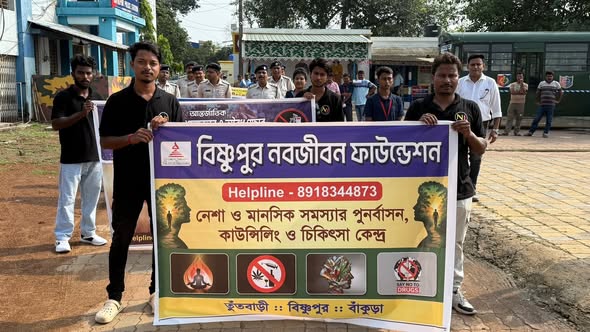
Why prevention needs conversation, not only warnings.
Awareness becomes more useful when people can understand risks, ask questions and discuss substance misuse without reducing the issue to slogans alone.
Read Article →
Why routine and positive activity matter during recovery.
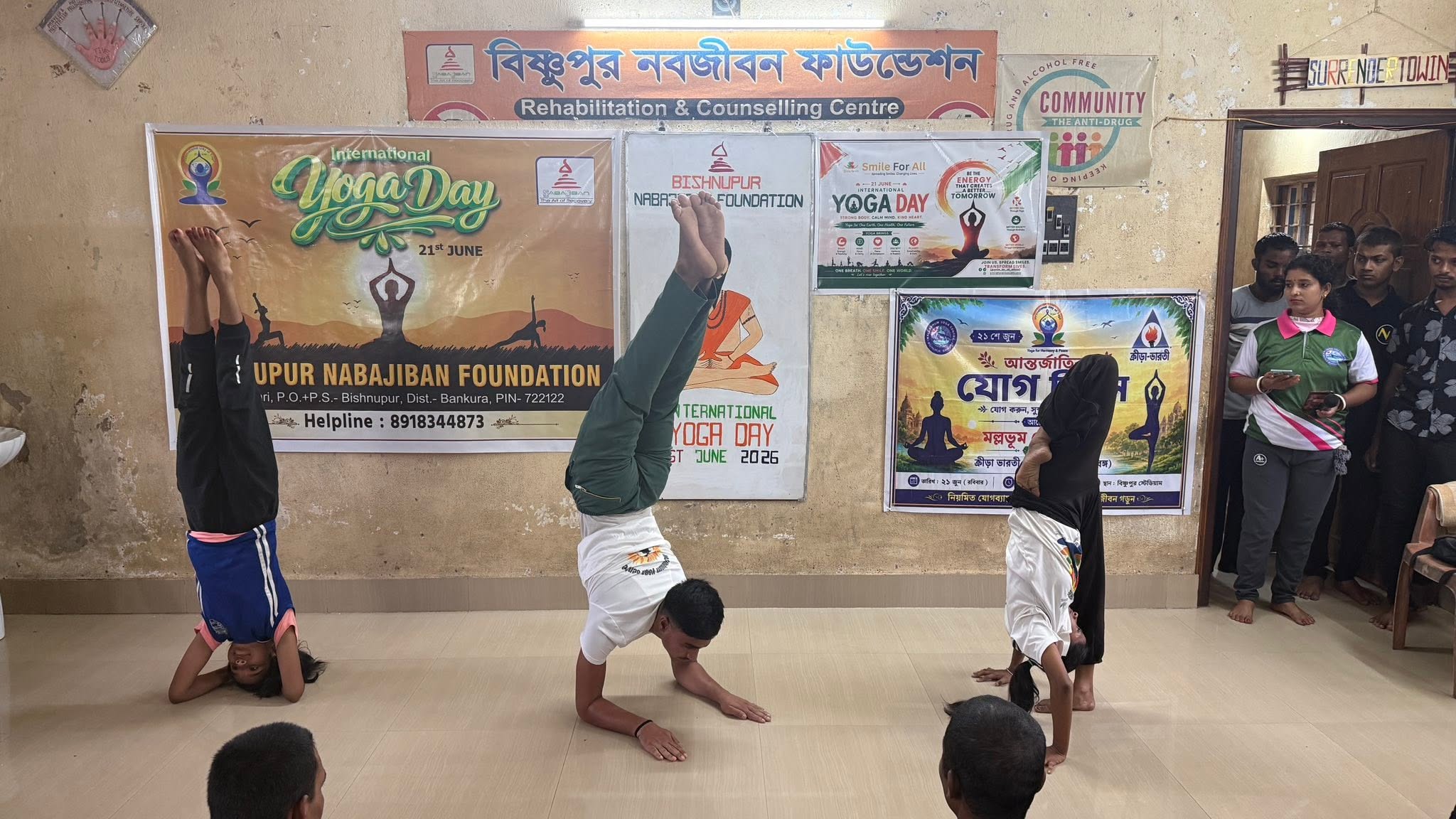
Constructive activity can give everyday life more structure and create opportunities for movement, focus, learning and social interaction.
Read Article →When someone you care about may need help.
Families often face confusion, frustration and uncertainty long before they know what kind of support is appropriate.
Changes connected with substance use may appear differently from one person to another. Families may notice disruption in routine, relationships, responsibilities, communication or behaviour. One difficult part is deciding how to respond.
Start with what you can observe.
Conversations are usually clearer when they focus on specific behaviours and concerns rather than accusations or labels. Explain what you have noticed, why it concerns you and why you believe support may be helpful.
Avoid turning every conversation into a confrontation.
Strong emotions are understandable, but repeated arguments may make useful communication harder. Families can seek guidance even when the person involved is not yet ready to discuss treatment.
Support and boundaries can exist together.
Supporting someone does not necessarily mean protecting them from every consequence of harmful behaviour. Families may need to consider what forms of help are constructive and what patterns may unintentionally allow the problem to continue.
Ask for professional or organisational guidance.
If you are unsure what the next step should be, begin with a conversation with a recovery support organisation or appropriate health professional. Explain the situation clearly and ask what information would be needed to understand the available options.
Speak With Nabajiban →Awareness works best when people understand the message.
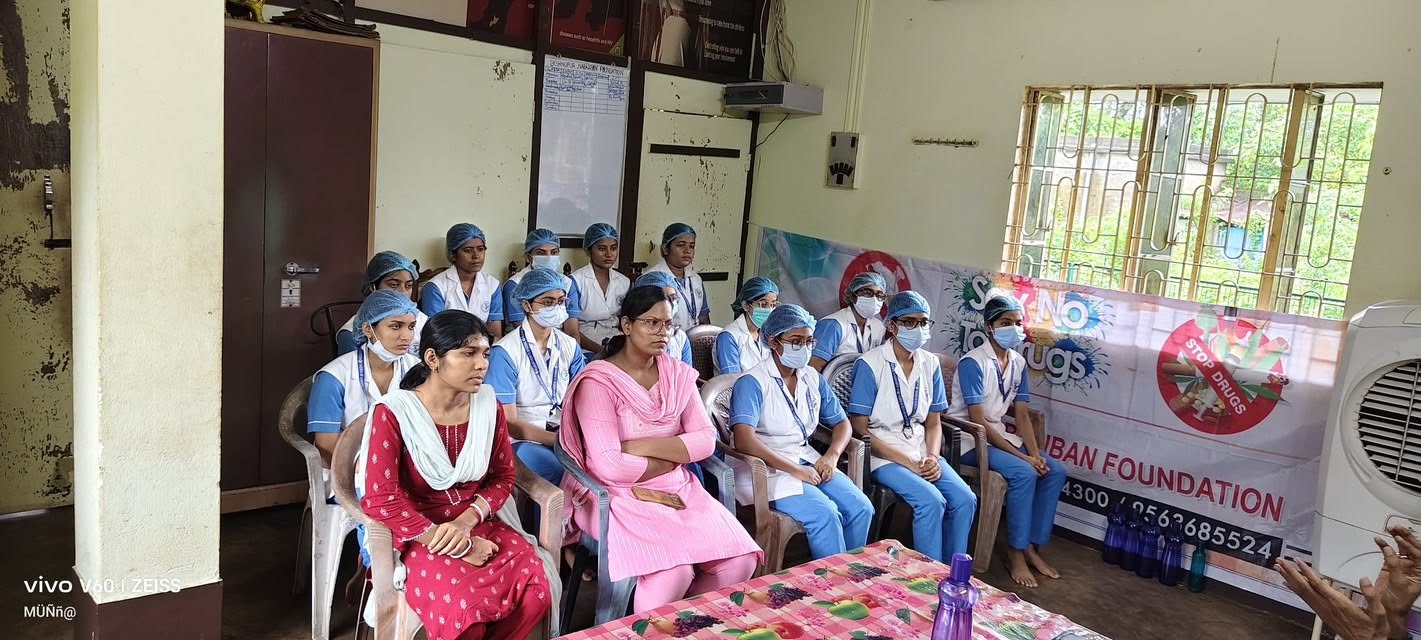
Prevention campaigns can make the subject of substance misuse visible, but awareness becomes more meaningful when people can also discuss risks, consequences and how to seek support.
Why everyday routine can matter in recovery.
Recovery takes place inside ordinary days. How those days are structured can therefore become an important part of the wider process.
Long periods of unstructured time can sometimes make it more difficult to maintain constructive habits. A recovery-focused environment can therefore encourage regular activities and greater consistency.
Movement
Physical activity can create a positive and structured part of the day.
Learning
Sessions and discussion can provide new ways to understand behaviour.
Responsibility
Regular participation encourages consistency and everyday accountability.
Connection
Group activities create opportunities for constructive social interaction.
Stories from Nabajiban in action.
Programme highlights from awareness, wellbeing, education and community participation.
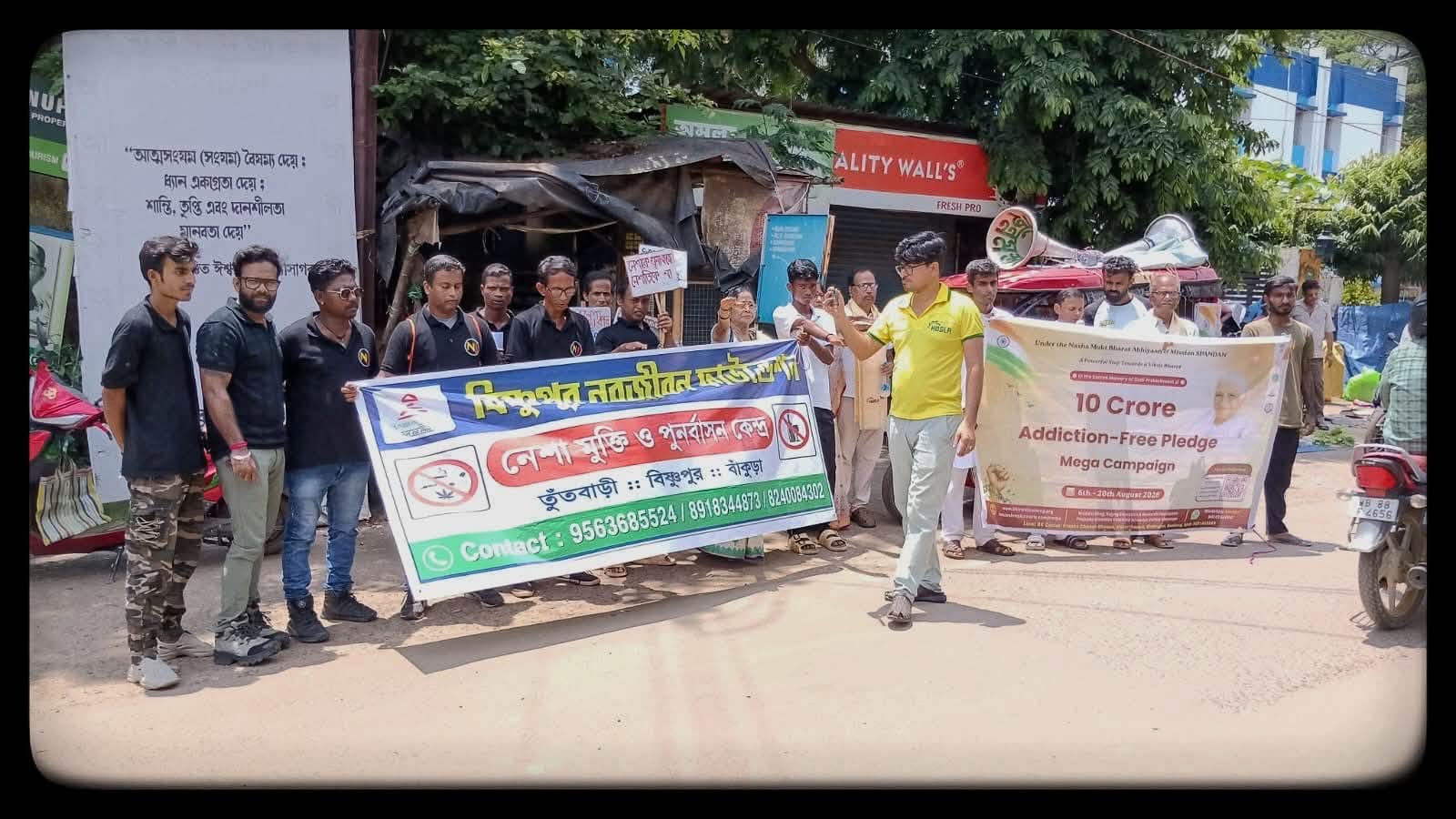
Taking prevention messages beyond the centre.
Public outreach gives awareness work visibility in the spaces where people live, work and interact.
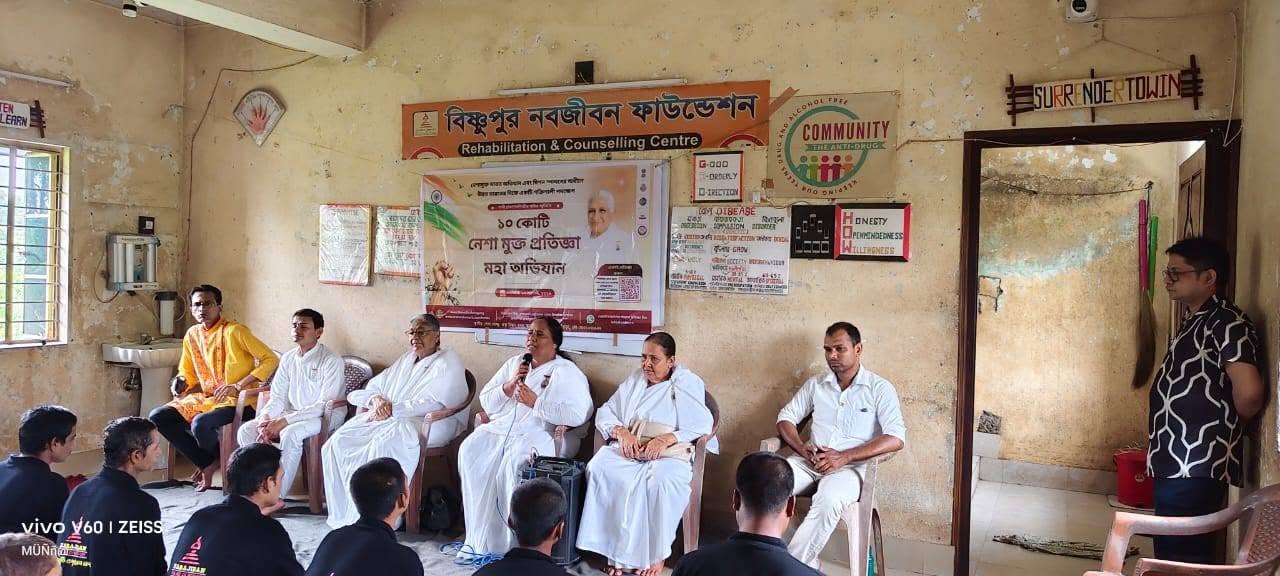
Conversations with students and institutions.
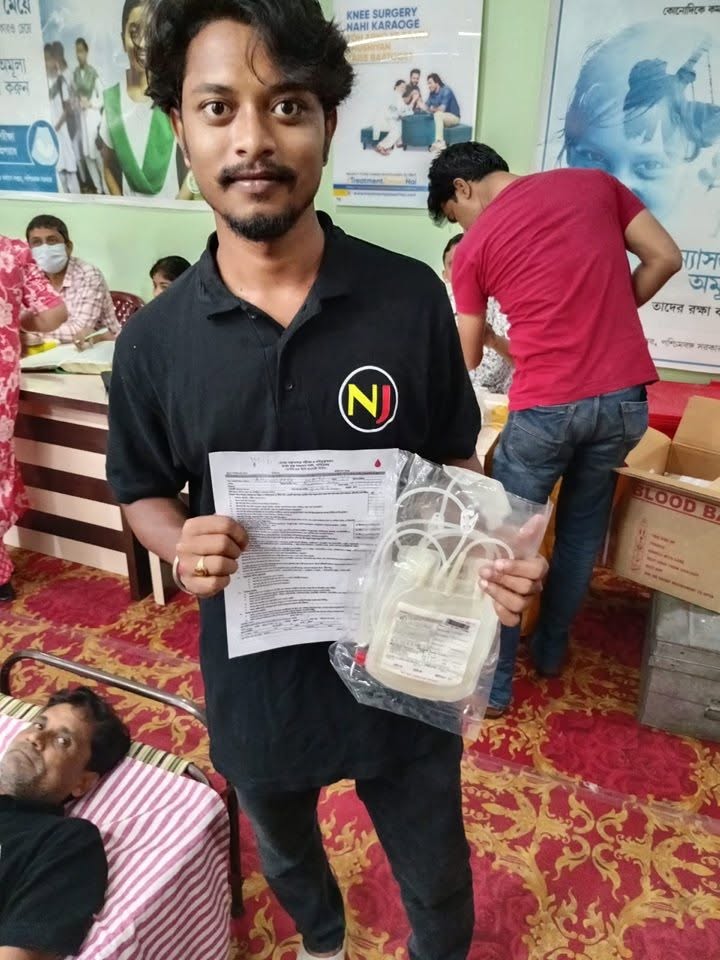
Connecting wellbeing with community activity.
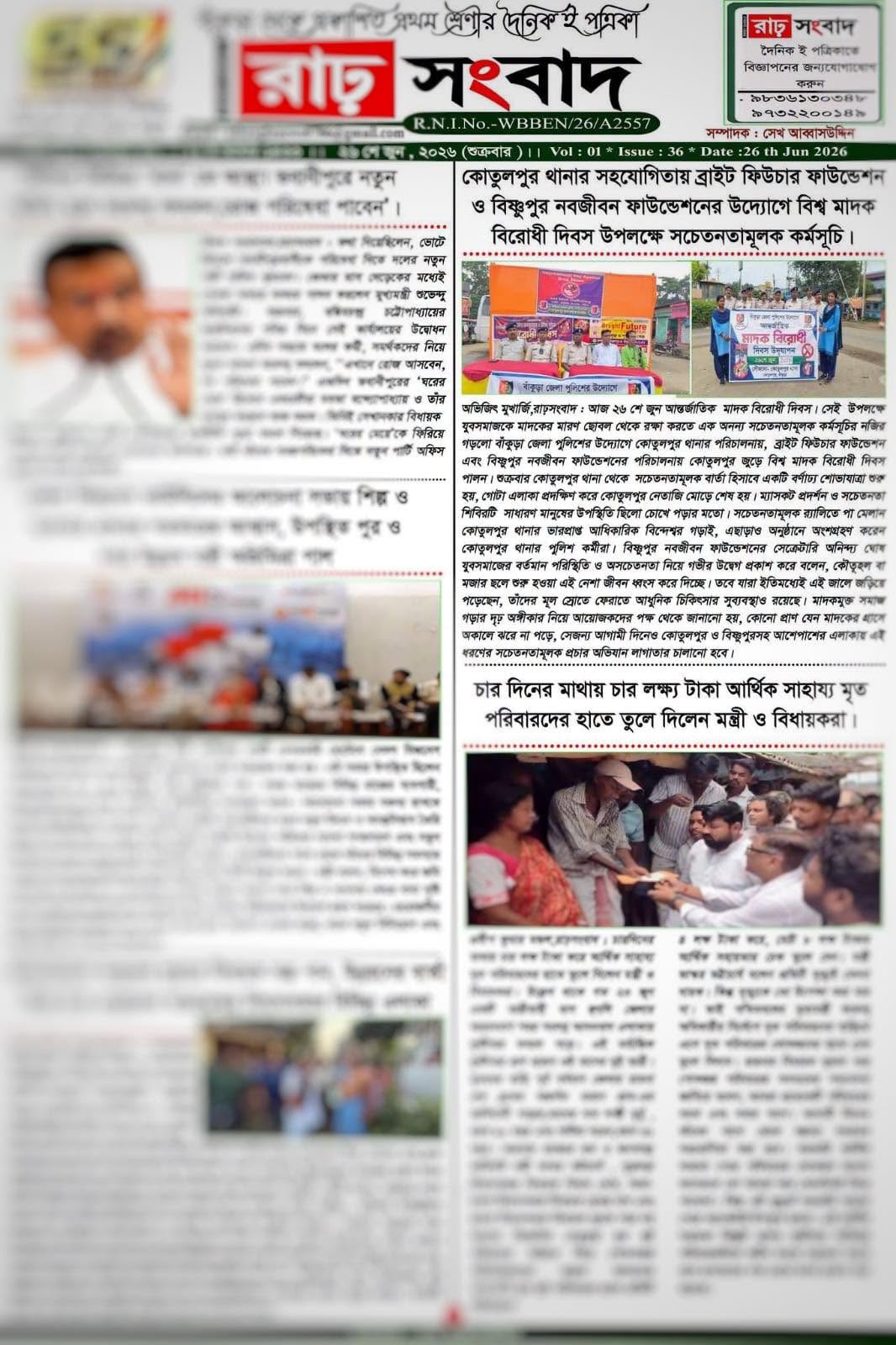
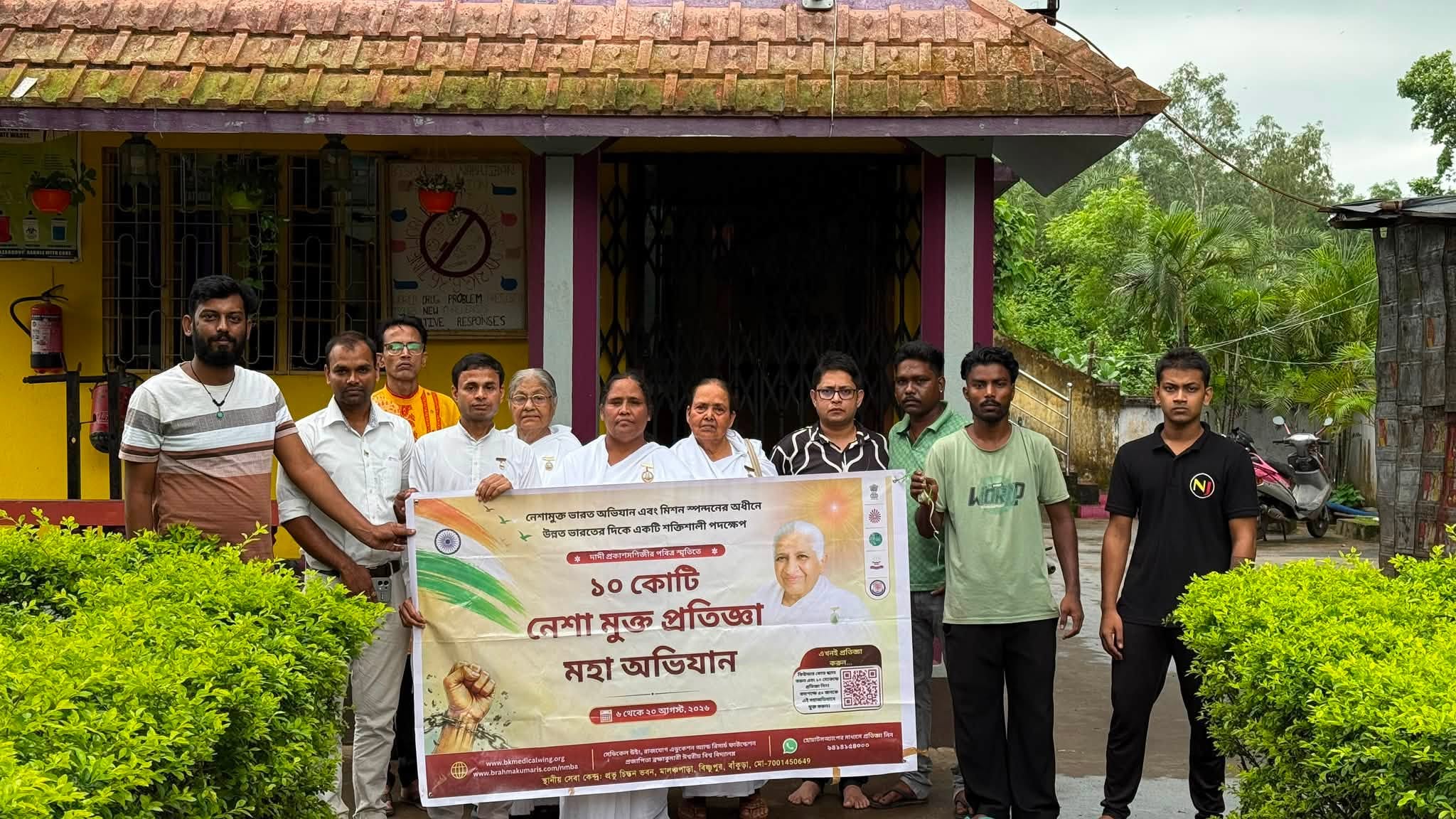
Documenting the work creates a record of community action.
Newspaper coverage, photographs and programme documentation help preserve a record of awareness initiatives and allow the organisation’s work to reach beyond the people present at an event.
This section can later be expanded with dated programme reports, press coverage and official organisational updates.
Explore more recovery-focused topics.
What does continued recovery support mean?
Why the recovery process can continue after a structured programme ends.
Explore →How can families begin a treatment conversation?
Practical ideas for starting difficult conversations with greater clarity.
Read →Why community awareness still matters.
Awareness can encourage earlier conversations and increase visibility of available support.
Read →The role of constructive activity in everyday recovery.
Movement, learning and participation can create healthier structure.
Read →Information can reduce uncertainty. Conversation can create the next step.
Nabajiban shares awareness and recovery-focused information to support better understanding, stronger communities and more informed conversations.
Reading can help. Sometimes a conversation helps more.
Contact Nabajiban regarding rehabilitation, counselling, admission, awareness programmes or general recovery-related information.