
What is drug / alcohol addiction?
Addiction is best defined when a drug user cannot stop taking a drug even they want to, no matter how hard they want to. This is called addiction. The urge or craving is too strong to control that even if a drug user knows it is causing them harm they cannot stop using.
Addiction is also defined as the continued use of drugs and alcohol regardless of negative consequences to health, job, school, and relationships. Addictions are not just to drugs but can be to anything including exercise, sex, gambling, eating, food, and shopping.
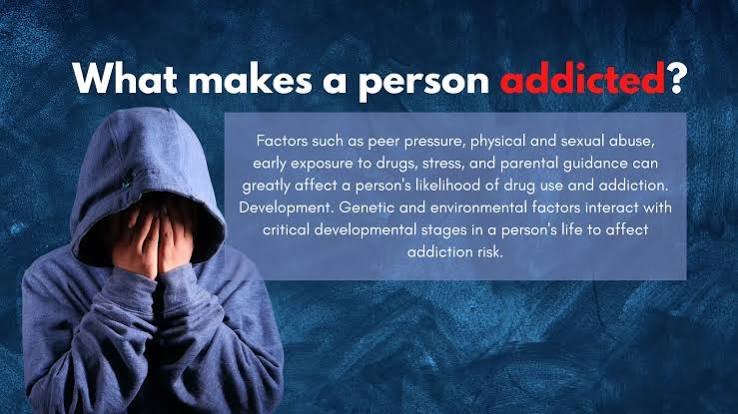
When someone starts taking drugs they don’t make a plan to get addicted. The reason drug users take drugs and drinkers drink is because they like the way drugs and alcohol make them feel. They think that they can control how much and how often they take drugs and alcohol. Unfortunately, drug use and drinking changes the brain so that drug users start to need the drug or drink just to feel normal. That is when addiction happens and it can quickly spiral out of control.
Addiction can become more important than the need to eat or sleep. For parents the addiction is more important than their children, for students it’s more important than school, for couples it’s more important than their spouse, it’s more important than showering, it’s more important than doing laundry, than paying bills and slowly but surely the addiction becomes more important than living. The addiction replaces all the things the person used to enjoy. A person in their addiction will do almost anything to get their drugs and drink. They will lie, steal, cheat, and hurt people who matter to them most to keep taking the drug.
It may seem like with all these negative consequences that someone with an addiction would just quit the drug use and drinking but it isn’t as easy as that and here is why:
Addiction is a brain disease.Addiction is chronic, progressive and fatal. The reason for this is because drugs change how the brain works and those changes can last a long time, even forever. The changes in the brain due to an addiction cause problems such as mood swings, memory loss, and even trouble thinking and making decisions. Addiction is a disease just like diabetes and cancer are diseases. Addiction is not a moral failing or a weakness. Addiction also can affect anyone. Addiction is inside of people from all backgrounds, rich and poor, young and old, black and white. Addiction can happen at any age but it does usually happen when a person is young.
What Contributes to the Disease of Addiction
Addiction is a complex disease, with no single factor accounting for its development. There are amalgamations of characteristics that contribute to its development, ranging from:
Medical science has not yet been able to find a cure for the disease of addiction. Experience shows that recovery depends on employing a variety of resources, with 12 Step programs being the most effective. Twelve Step programs — with the support of the meetings and comradeship that make up these fellowships — provide the spiritual, cognitive and behavioral tools to best recover from all the elements and effects of this disease. In addition, 12 Step programs offer us as recovering addicts a path to a serene and spiritual life.
Characteristics of Addiction
Addiction is defined by the six characteristics:
1- Disease
Addiction is a chronic brain disease characterized by compulsive abuse of drugs in the face of harmful consequences. Over time, our brain structure and functions become abnormal. These changes can be long lasting, and are characterized by obsessive and deranged thought patterns and physical cravings.
There is no cure for the disease of addiction, but as with other chronic diseases, it can be managed successfully and kept in remission on a daily basis. Similar to those who suffer from diabetes, asthma or heart conditions, as recovering addicts we must follow a treatment plan, which in our case usually means working the 12 Steps and attending fellowship meetings and activities.
2- Primary condition
Addiction is a separate entity to itself and not the cause or offshoot of other diseases or conditions. We addicts do not develop the disease of addiction due to social, environmental, or biological conditions, although medical science has proven some factors such as genetics, may attribute to its development.
We may start using drugs due to certain circumstances or medical conditions, but once the disease has developed, it becomes an entity of its own. For example, although a person may start using drugs to ease up their depression or chronic pain condition prolonged abuse eventually leads up to the disease of addiction.
Bear in mind: that the 12 Steps provide a recovery plan for the disease of addiction only. Although their spiritual principles can be applied to help us deal with other life problems, the Steps are not a treatment plan for other primary diseases. For example, if you are suffering from a heart condition, then medical attention and relevant medication has to be taken regardless if you are in recovery with 12 Step programs.
3- Progressive and often fatal
Disease of addiction is progressive in that it gets worse with time, never better. Neither does a period of abstinence make it safe to use drugs again. Experience shows that addicts who use drugs after a period of abstinence pick up exactly where they left off.
The consequences of not treating your addiction can be fatal in that you may suffer damage to the brain, liver, heart, and other organs – all the way to death through overdose. In addiction, adverse effects on the addict’s brain and behavior can prompt suicide, homicide, and accidents — and in general wreak havoc in the lives of users.
4- Obsession & Cravings
One phenomenon of the disease of addiction is obsession. This is because drugs produce such intense and euphoric feelings that the addict wants to take more and more of the substance despite harmful consequences to themselves and others.
The addict’s preoccupation with drugs takes precedence over all other aspects of their lives, including their health, family, job, etc. Ultimately their only priority is how to find and use drugs.
The addict’s preoccupation and obsession with drugs are the result of the impact of drug abuse on the brain.
5- Denial
- Chronic abuse of drugs disrupts the brain’s communication system, leaving us unable to distinguish reality from fantasy. This leads to us suffering from a defense mechanism called denial.
- Denial is a form of insanity because our way of thinking is neither whole nor logical.
- Denial makes it easier for us to continue using drugs because we are oblivious to the truth about our conditions.
- Denial shows itself in many forms, such as rationalizing, intellectualizing, justifying or blaming others in order to use more drugs.
- Yet denial operates outside our awareness, because drug abuse has distorted our sense of reality and we are unaware that we are lying to ourselves and others.
- Denial is the number one obstacle preventing us from facing the disease of addiction. Many of us die in denial of the disease, and many must first hit rock bottom before admitting to a problem.
- Addiction is the only disease that prompts the sufferer to deny its very existence.
6- Unmanageable Life
The disease of addiction ultimately leads us to suffer many adverse consequences. In 12 Step programs these consequences add up to what is termed an unmanageable life. These adverse consequences can lead us to suffer from:
- Mental consequences= psychosis, deliriums, depression, suicidal thoughts, etc.
- Physical consequences = medical conditions like liver problems, AIDS, hepatitis, accidents, etc.
- Interpersonal consequences = marital or family problems, child abuse, etc.
- Social consequences = criminal activity, dishonesty, manipulations, etc.
- Occupational consequences = loss of job, economic stature, homelessness, etc.
- Financial consequences = loss or misuse of income
List of Physical Problems caused by addiction / substance abuse:-
Acute Effects on Mental Abilities:-
Judgment is frequently the first mental capacity affected by drugs/alcohol. Poor decision making, rapid decision making, not being realistic in decisions is common;
Poor attention and concentration;
Loss of inhibitions- say things or do things that we normally would not;
Exaggerated emotion (anger, fear, anxiety, sadness); and/or
Blackouts with loss of memory for events.
Similarly mental illnesses like Depression, Post-traumatic stress disorder (PTSD), Bipolar disorder (or manic depression), Borderline personality disorders, Schizophrenia, Suicidal tendencies, Antisocial personality disorder (ASPD), Agoraphobia, Narcissistic personality disorder (NPD), Phobias, Domestic violence, Child abuse, Hypersomnia, Sleep disorders, Psychosis, Depressive illness and anxiety disorders are also much more likely in a drug / alcohol addiction.
Drug/ Alcohol addiction affects the personality of the individual and he/ she may indulge in petty crimes, like stealing, shoplifting, commercial sex or other socially unacceptable behaviors just to support his/her habit. He/ she might gradually drift away from his friends and family members moving in a circle of other addicts. He/she may also leave or be thrown out of his/her job/education/career and may even end up in prison.
Symptoms of Addiction
General symptoms common to most addicts are:
Signs of Addiction
According to the American Psychiatric Association, a person has developed the disease of addiction if their use of drugs has led to three or more of the following in a 12-month period:
1- Tolerance
A need for an increasingly larger dose of drugs to achieve the same effect.
When the effect of drugs is markedly diminished with prolonged use.
2- Preoccupation
Addicts become obsessed with repeating the experience of that first high and spend a lot of their time obtaining and using drugs.
3- Increase intake
Another sign of addiction is doing drugs in larger quantities or over a longer period to achieve that first high – that feeling of euphoria.
4- Loss of control
Addicts usually make unsuccessful efforts to cut down, stop, or control their drug use. They make repeated, genuine promises and resolutions to stop but cannot, because the disease has set in and they have lost the power to control their use of drugs.
5- Abuse despite harmful consequences
Finding and using drugs takes dominance over the addict’s life despite harm to themselves and others.
6- Withdrawal symptoms
Addicts suffer from withdrawal symptoms because drugs suppress the brain’s production of neurotransmitters, which are responsible for feelings of reward and pleasure. Withdrawal symptoms are painful physical or mental changes that occur when the body is deprived of the drug that it is accustomed to getting.
Depending on the type of substance, withdrawal symptoms can appear from within a few hours to several days, and can last from a few days to a few months.
Withdrawal symptoms vary with each drug. Some substances — such as alcohol, opiates, and tranquilizers — produce severe physical withdrawal symptoms, which can be dangerous and even fatal. Other substances — such as cocaine, marijuana, and ecstasy — produce psychological withdrawal symptoms, which although very uncomfortable are not life threatening.
Each person’s withdrawal patterns and symptoms are different, and medical supervision is recommended if you decide to stop your drug or alcohol use.
Psychological Withdrawal Symptoms:
- Anxiety
- Restlessness
- Irritability
- Insomnia
- Headaches
- Poor concentration
- Depression
- Social isolation
Physical Withdrawal Symptoms
- Sweating
- Heart Palpitations
- Muscle tension
- Tightness in the chest
- Difficulty breathing
- Tremors
- Nausea
- Vomiting, or diarrhea
Dangerous withdrawal symptoms
Alcohol and tranquilizers cause the most dangerous physical withdrawals. Suddenly stopping these substances can lead to seizures, strokes, or heart attacks. A medically supervised detox can minimize your withdrawal symptoms and reduce the risk of dangerous complications.
Other dangerous effects of withdrawal are:
Not everyone who uses drugs is an addict. There are three general types of people who use drugs, but it is only the chronic types who develop the disease of addiction. Review the diagram below to identify whether you possess the characteristics of a chronic addict.
1- Normal Types
- These types can use drugs occasionally for fun or on social occasions
- They can take it or leave it
- Feel the effect and don’t want anymore – Normal reaction
- Have power to control or stop their drug use
2- Heavy Types
- These types use drugs to cope with stress and pressure
- They use drugs to escape painful feelings
- After a while they need more and more for the same effect – develop tolerance
- They feel uneasy when drugs are unavailable
- They start to experience mental and physical deterioration
- Experience financial, social or marital problems
- Experience work or school performance deterioration
- They lose interest in simple pleasures
- They have a tendency to isolate themselves
- Given sufficient reason, have the power to control or stop
3- Chronic Types
- These types can never go back to Normal or Heavy users
- They experience intense euphoria and relief from drug use
- Their brain likes these intense & unnatural feelings and wants more
- Obsession develops – they want more drugs despite harm
- They use drugs to escape from or cope with life
- Drugs help them feel powerful and confidant
- They lose ability to Inability to enjoy normal activities
- Their brain’s structure and communication system becomes abnormal
- Insanity develops – they cannot distinguish reality from fantasy
- They use insane defence mechanisms to use more drugs
- The exhibit extreme personality traits
- Slowly their brain adapts to drugs & needs them to function normally – Tolerance
- They use more drugs despite adverse consequences – Allergy
- Their brain gets physically activated to want more drugs- Craving
- They neglect themselves & others
- They experience financial, legal, work and family problems
- They lose the power to control or stop their drug use
- Disease of addiction has developes
- They need drugs to survive
- Drugs take precedence over everything else in life
- They experience withdrawal symptoms if drug use is reduced or stopped
- They lose interest in life & have suicidal thoughts
- Repeated attempts to stop to no avail
- Their life in chaos & unmanageability
- Have lost power to stop or control – Powerless
The diagram below illustrates how the disease of addiction affects both our mind and body. As chronic addicts, we get caught in a vicious cycle and are unable to break free on our own. Understanding this cycle will help us realize how this disease operates and why we need to look outside ourselves for a solution to recover.
Note: this illustrations has used drugs as a way of example, you can replace it with your problematic substance or behaviour to understand the vicious cycle of addiction.
Some reasons why people get addicted to drugs or alcohol could also be:
- Fear of failure
- Desire for newer experience
- Insecurity or inferiority complex
- Too much of pampering
- Lack of proper attention
- Bad company
1st Obsession develops
- We experience intense reward & euphoria from using drugs
- Drugs help us cope with stress & problems
- We want to re-experience the first high again and again – obsession
- We take more & more for to achieve the first high
- Nothing brings us pleasure and relief except drugs
- We lose interest in everything except finding and using drugs
- Drugs become our number one priority in life
- We neglect ourselves and others
2nd Insanity develops
- Drug abuse disrupts our brain’s communication system
- Our thinking becomes distorted, illogical & abnormal – definition of Insanity
- We cannot make logical judgments or rational decisions
- We cannot distinguish between fantasy & reality – Denial
- We use defence mechanisms to abuse drugs despite harmful consequences – i.e. justifications, rationalizations, manipulations, dishonesty, minimization, intellectualization, etc.
- We develop extreme character traits such as:
- Selfishness – want more & more to feel normal
- Self-centredness – don’t care about anyone or anything except drugs
- Grandiosity – I am better and smarter, I am different and special, and don’t need any help
- Our insane ways of thinking leads to destructive behaviours and actions, i.e. crime, violence
- Our life becomes more chaotic & unmanageable
- We cannot rely on our thinking to make a right decision over our drug use
- Self reliance or our will power cannot help us
3rd Cravings develop
- Drug abuse changes our brain’s function and structure
- The way our brain nerve cells send, receive, and process information becomes abnormal
- Our brain becomes physically activated to produce powerful urges to use drugs regardless of consequences – definition of Cravings
- Slowly our brain becomes dependant on drugs to function normally
- As a result, we engage in shameful behaviours to use drugs for our survival
4th Tolerance / Allergy develops
- Our brain adapts and builds tolerance towards unnatural chemicals / drugs
- We need more drugs to experience feeling normal – definition of Tolerance
- Our reaction towards drugs becomes abnormal – we take more despite harmful consequences- definition of Allergy
- Slowly we lose our emotions, feelings and morals
- Become prone to accidents or suicidal thoughts
- We experience withdrawal symptoms if stop using drugs
- We have now lost the power of choice and control over our drug use
5th Experience stages of despair
- We are not aware we suffer from a disease
- We believe we are bad & weak people
- We feel shame, guilt and regret over our drug use
- We are under the illusion we have power to control or stop our drug use – insanity
- We make sincere resolutions and promises not to use again
- We are always angry, restless and depressed
- We don’t know how to cope with life without drugs
- Our obsession with drugs is overwhelming
- We are constantly craving more & more dugs
- Our body needs drugs in order to function normally otherwise will experience withdrawals
- We exercise will power and can stop for a while, but soon find ourselves using again
- We cannot understand why we can stop- have no power over our drug use.
6th Reach rock bottom
- This cycle is repeated over and over again until we reach rock bottom
- Many of us end up in institutions and asylums
- Many of us kill ourselves or die due to consequences of our addiction
What will you do if you suspect your family member or friend of using drugs / alcohol?
Let us assume that you have noticed all or quite a few of these above mentioned traits in your family member or friend and you suspect him / her of using drugs / alcohol. It is natural to be tense, scared and perturbed about the thing. You will have to handle it very carefully.
Please do not resist yourself by thinking that it is impossible for the individual to do such things. Remember, anybody can fall prey to drug / alcohol addiction, as anybody can fall sick with flu or common cold. Please do not ignore the situation by thinking that the person will come out of it naturally, the person may not have such a strong will power.
At the same time please do not overtly react. Do not show any outburst of anger, emotion or fear. React to the situation with calmness and caring. Talk to the person, try to be intimate with him / her and try to find out how deep has he / she has gone into it.
Try to create a caring and warm atmosphere at home and spend as much time with the effected person as possible. Try to be a friend to him / her. Your love, attention and patience can work wonders in this kind of a situation.
Remember:
How can the Family and Friends help?
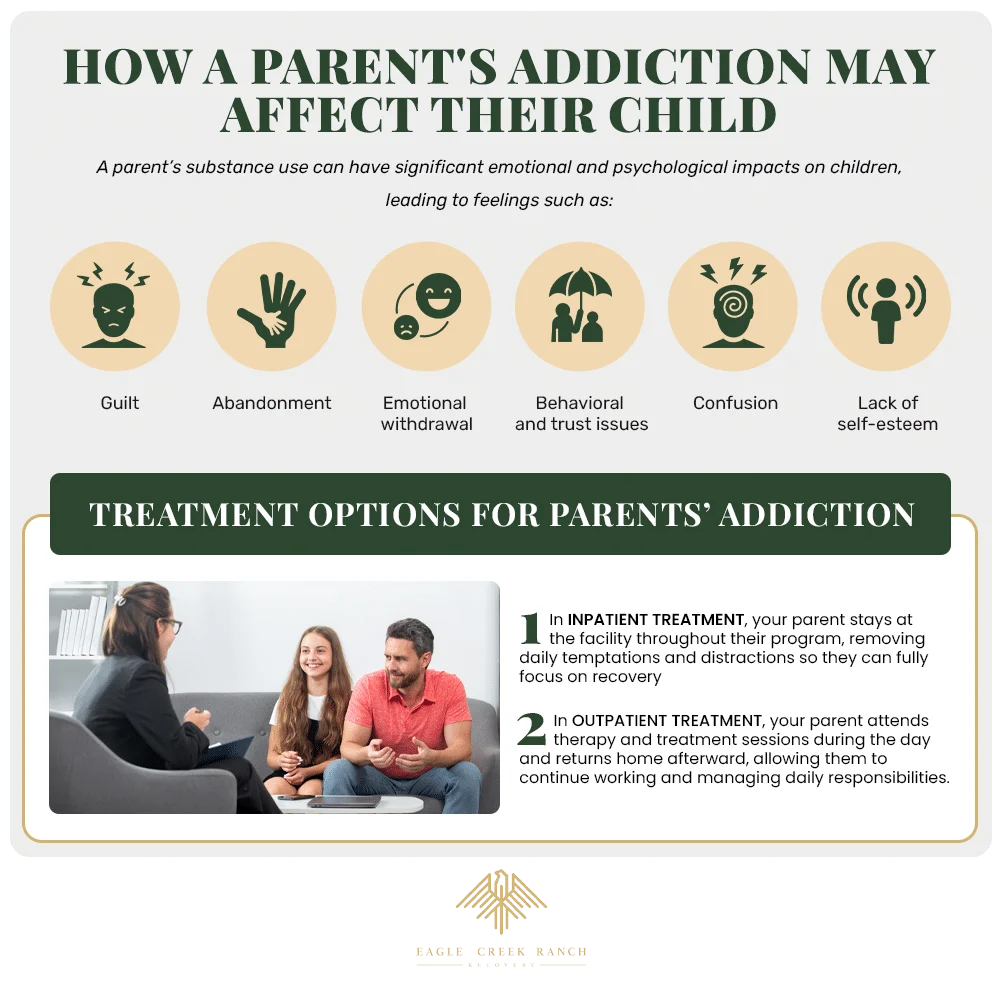
For many people, the biggest and toughest step towards recovery is the very first one: deciding to make a change. Family members and friends have an important role in the rehabilitation of drug / alcohol addicts. It is natural to feel angry, embarrassed or ashamed but it is not going to help if we take our anger out on the patient.
We need to be supportive and understanding of his/her problems; however do remember that family members and friends might be manipulated into helping the individual get drugs / alcohol, so be careful about it.
It is a good idea to give the individual a sympathetic hearing of his/her problems and help in solving those; furthermore he/she will need constant help and supervision to start learning new skills, on the road to a new life.
You are not responsible for the person becoming dependent on drugs, nor can you make the person stop using. What you can do is change how you are dealing with the situation.
Do not be dismayed and fall apart if you find out that a family member or friend has become an addict. That is certainly not that end of the road for him / her. Timely admission to a de-addiction center can save the career of that person.
Do not lose hope, contact for Treatment.